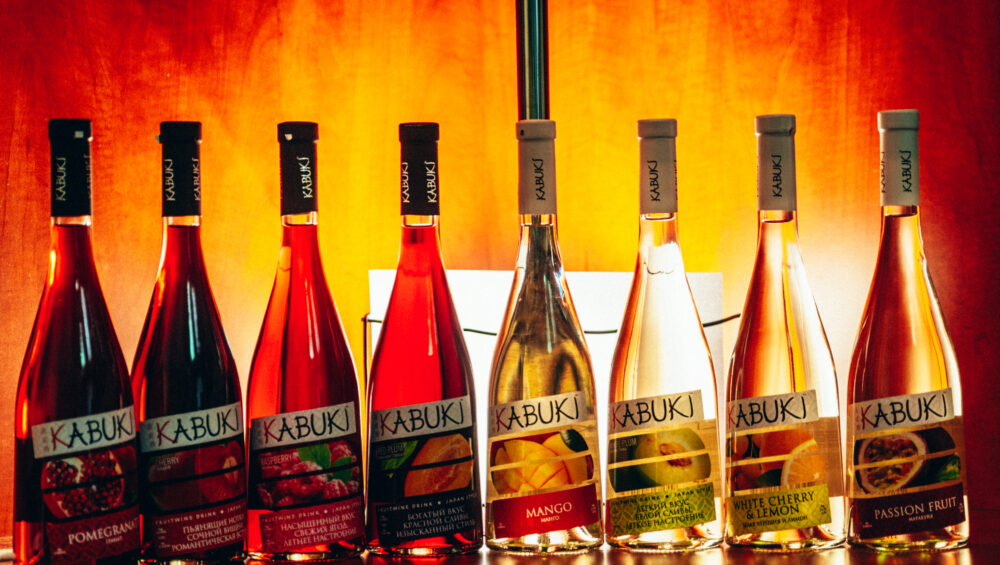
Fruit-flavoured wines occupy a special place in many renowned wine brands around the world, firmly establishing themselves in all corners of the globe.
Fruit wine is a fermented drink made by adding juices from various fruits other than grapes.
The first mentions of fruity "flavor" in wine, according to archaeological finds, appeared around six thousand years BC. This indicates that fruit-flavored variations in wine already existed.
Initially, wine was made primarily from grapes, which were best suited for this beverage. That's why wine was called grape wine.
Over the long history of wine, winemakers around the world have significantly improved the quality of grapes and cultivated them.
Today, fruit wine is made from all kinds of fruits, berries (wild and garden), and even garden plants.
In terms of quality, properties, and aroma, fruit wine is equal to (and often even surpasses) more traditional wines. It typically retains the aroma and much of the flavor of the original fruits and berries. The flavor ranges from tangy to ripe and very smooth.
Depending on the fruits used, white and red fruit wines are produced.
Popular types of fruit wines include low-alcohol drinks (up to 71 tbsp), sweet fruit wines, dried fruit wines, fortified fruit wines, and sparkling and carbonated fruit wines. Fruit wines can also be categorized as dry, semi-sweet, sweet, dessert, and those made using special techniques.
Wine making technology is much more complex than grape winemaking and has a number of features and specific aspects.
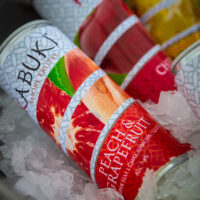
Kabuki winemakers harmoniously combine centuries-old traditions and modern production methods, allowing them to maintain a unique balance of high quality and inimitable flavor in their line of fruit wines.
Kabuki wines infused with fruit juices offer a pleasant taste and traditional aroma, captivating you with their aroma and flavor even from the first sip and tasting. Kabuki drinks help you truly enjoy every minute of life.
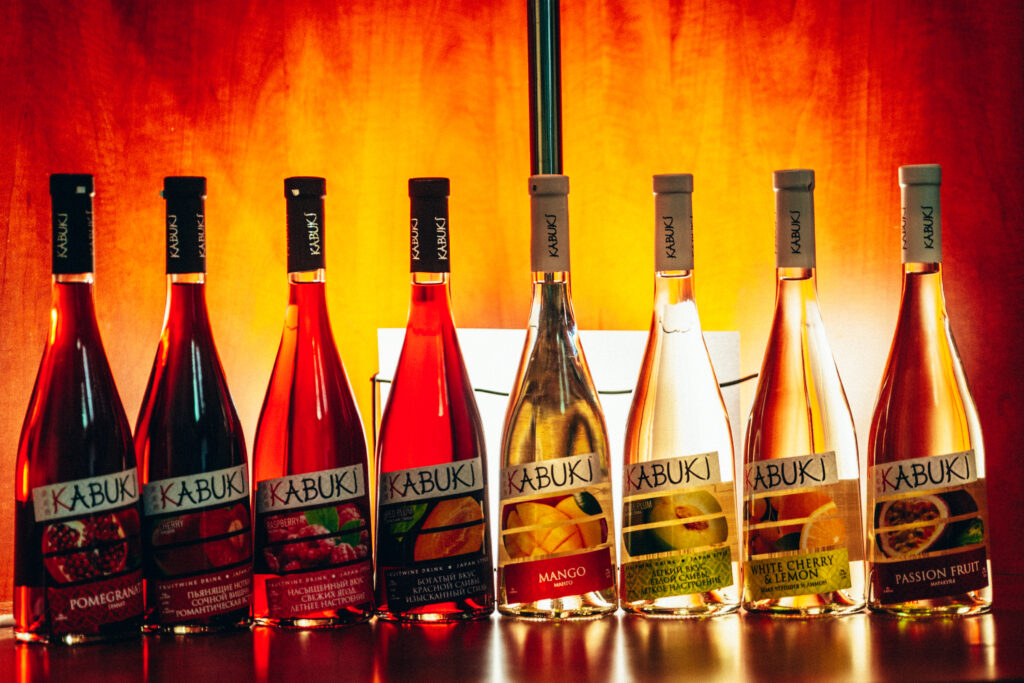
The Kabuki fruit line's color palette ranges from deep, rich tones to a transparent, light palette.
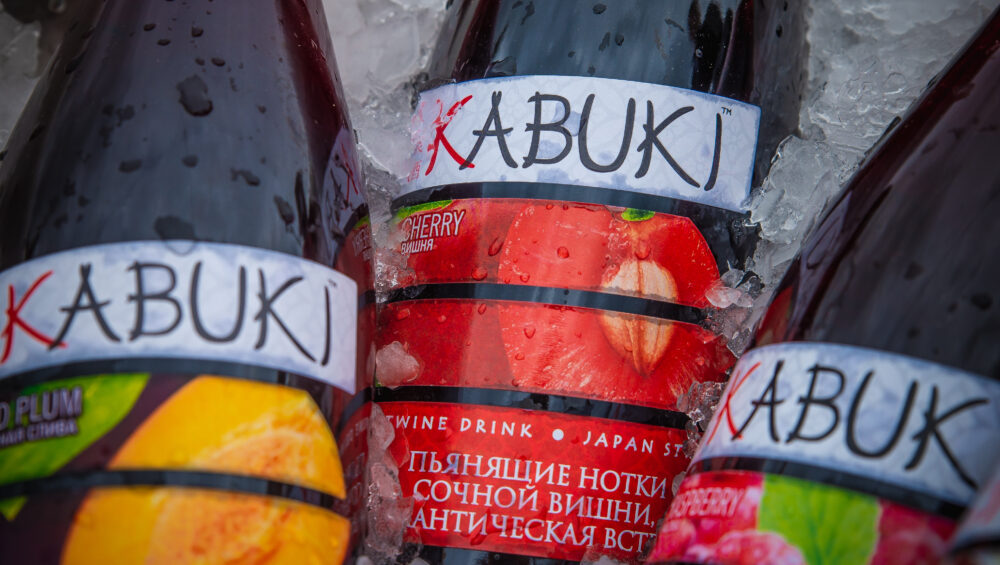
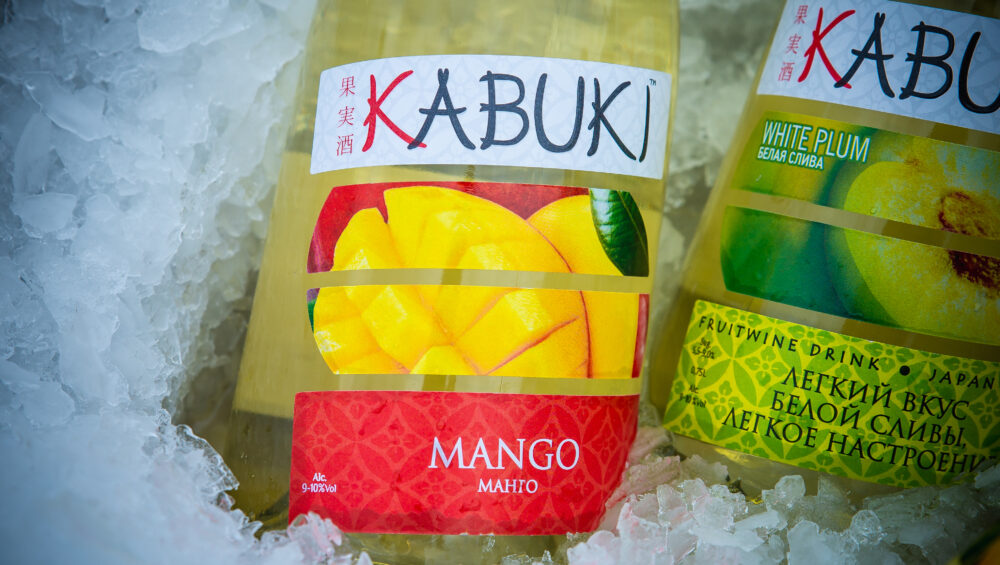
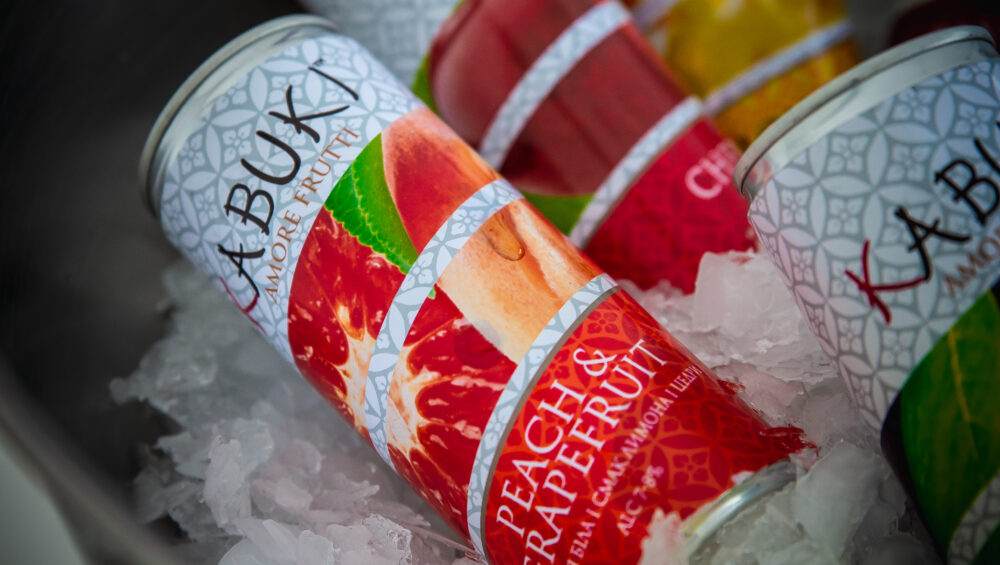
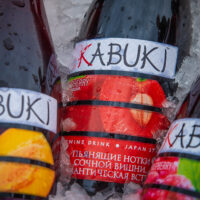
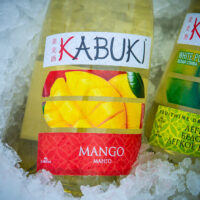
The Kabuki line of fruit wines offers 11 exquisite fruit flavors, both red and white. These include mango, white plum, passion fruit, red plum, grapefruit, peach, raspberry, melon, star fruit, pomegranate, white cherry, strawberry, and cherry.
Each fruit representative of the line has its own unique “wine” character.
The fruity wines in the Kabuki line offer excellent gastronomic pairing. They pair well with a variety of desserts, chocolate, spicy and smoked foods, baked goods, and fruit. They also make excellent cocktail additions, pair well with Asian cuisine, seafood, and mushrooms, and are a wonderful aperitif.
Kabuki fruit wines are the perfect complement to any occasion, from a party with friends to a romantic dinner.
Harmony of color and taste – all this is wines with the addition of fruit juices from the Kabuki wine line!

 EN
EN  RU
RU  UK
UK  ES
ES  DE
DE  FR
FR  IT
IT  TR
TR  AR
AR  ZH
ZH  JA
JA